


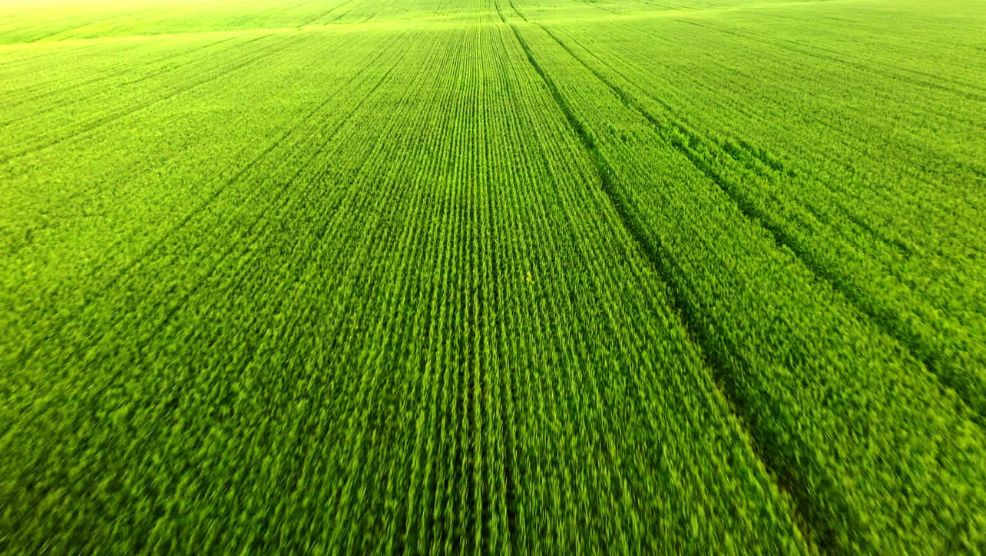
Agriculture has always been more than just growing food—it’s about science, precision, and adapting to changing conditions. In today’s world, farmers and researchers don’t rely on guesswork alone. Instead, they depend on modern Agriculture Laboratory Equipments to understand the environment, improve crop yield, and manage resources more effectively.
Having worked with these instruments in real field settings and laboratories, I can confidently say that they are game-changers for anyone connected to farming. They provide reliable data, guide better decisions, and ultimately make agriculture more sustainable. In this article, I’ll share not just the top 5 agriculture laboratory equipment, but also real experiences of how each of them plays a role in shaping modern farming practices.
1. Anemometer – The Farmer’s Eye on Wind
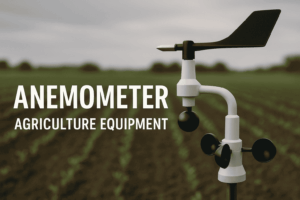
One of the first instruments I ever used in an agricultural research project was the anemometer. This device measures wind speed and, in some cases, direction. At first glance, it may seem like a simple spinning tool, but the information it provides is incredibly valuable.
I remember being in a wheat field during a trial where pesticide spraying was scheduled. Without checking wind speed using the anemometer, the spray could have easily drifted away, wasting resources and even causing harm to nearby areas. The anemometer told us the exact conditions, and we adjusted our spraying schedule accordingly.
From a laboratory perspective, the anemometer helps collect consistent climate data, which researchers later analyze to study crop resilience. For farmers, it is one of the most practical Agriculture Laboratory Equipments because wind patterns affect everything—pollination, irrigation efficiency, and even soil erosion.
Why it matters:
Prevents pesticide drift and resource wastage.
Helps in planning irrigation and crop protection.
Provides accurate meteorological data for long-term research.
2. Evaporimeter – Understanding Water Loss
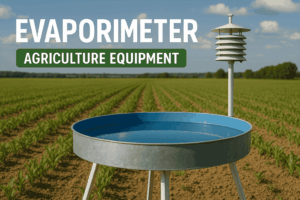
Water is one of the most precious resources in agriculture. Yet, farmers often struggle to determine exactly how much water their crops are losing due to evaporation. This is where the evaporimeter becomes indispensable.
During one of my experiences working in a rice cultivation project, we used an evaporimeter daily to track how much water was evaporating from the fields. At first, I didn’t realize how much difference this data would make. But when we compared irrigation schedules before and after using this equipment, the water savings were remarkable—close to 25% less water used without compromising crop growth.
In the laboratory, researchers use the evaporimeter to simulate different climatic conditions and measure how crops respond. For farmers, this translates into precise irrigation planning and sustainable water management.
Why it matters:
Prevents over-irrigation and water wastage.
Supports sustainable farming.
Offers precise data for different crop and soil types.
3. Rain Gauge – Tracking the Sky’s Contribution
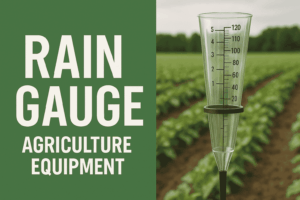
The rain gauge is perhaps the simplest but most essential piece of agriculture laboratory equipment. It measures rainfall over a period of time, and while it might sound basic, its impact is far-reaching.
I recall one season when farmers in a village relied entirely on rainwater for irrigation. They had no accurate record of how much rain had actually fallen. When we introduced the rain gauge, it transformed the way they managed their crops. Instead of overwatering fields after a rainfall, they adjusted irrigation based on actual precipitation data. This small change improved yields and reduced unnecessary water use.
In research labs, rainfall data collected from rain gauges is used for climate modeling and crop prediction studies. It helps understand not only how much rain has fallen but also how that rainfall affects soil moisture and crop cycles.
Why it matters:
Provides accurate rainfall data for better irrigation planning.
Helps forecast crop yield and monitor weather patterns.
Essential for climate research in agriculture.
4. Stevenson Screen – Protecting Data Accuracy
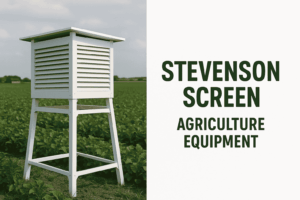
The Stevenson Screen was something I first came across in an agricultural meteorology class. At first, it just looked like a small white wooden box on legs. But once I understood its function, I realized how vital it is for ensuring accurate measurements.
This equipment houses sensitive instruments like thermometers, hygrometers, and barometers. Without the Stevenson Screen, these instruments would give false readings due to direct sunlight, rain, or wind interference. During one research trial, we noticed temperature readings fluctuating unusually. The reason? The thermometer was exposed directly to the sun. Once it was placed inside the Stevenson Screen, the data became stable and trustworthy.
For agriculture, accurate data on temperature and humidity means better predictions about pest outbreaks, irrigation requirements, and overall crop health. The Stevenson Screen is like a silent guardian, making sure our measurements reflect reality.
Why it matters:
Protects instruments from weather interference.
Ensures accurate climate data for research and farming.
Improves reliability of temperature and humidity monitoring.
5. Wind Vane – Guiding Farm Decisions

The wind vane is another classic instrument that plays a surprisingly big role in agriculture. While the anemometer tells us wind speed, the wind vane tells us its direction. This information is crucial for farmers when planning activities such as pesticide spraying, greenhouse ventilation, and even sowing.
In one of my experiences, we were helping a group of farmers with pest control measures. By using the wind vane, they avoided spraying pesticides in the direction of neighboring fields, preventing damage to other crops. It also ensured that the pesticide stayed exactly where it was needed.
In laboratories, wind vane data is combined with other meteorological readings to study climate impact on crops. It is one of the most straightforward yet highly useful Agriculture Laboratory Equipments for both field and lab use.
Why it matters:
Helps plan safe and effective pesticide spraying.
Guides greenhouse and farm ventilation decisions.
Supports climate modeling in agricultural research.
Final Thoughts – Why This Equipment Matters
The five instruments—anemometer, evaporimeter, rain gauge, Stevenson Screen, and Wind Vane—may seem small in size compared to the vastness of agriculture, but their contribution is enormous. They provide precise data that takes guesswork out of farming.
From my own experience, the biggest benefit of using this agriculture laboratory equipment is the confidence they give to farmers and researchers. Decisions are no longer based on assumptions but on facts. And in agriculture, where every drop of water, every seed, and every moment counts, this accuracy is priceless.
By adopting these tools, farmers can:
Save water and resources.
Protect crops from environmental risks.
Increase productivity sustainably.
Make farming more resilient to climate change.
In the end, modern agriculture is not just about working harder—it’s about working smarter. And these laboratory equipments are exactly what makes that possible.